
 James
James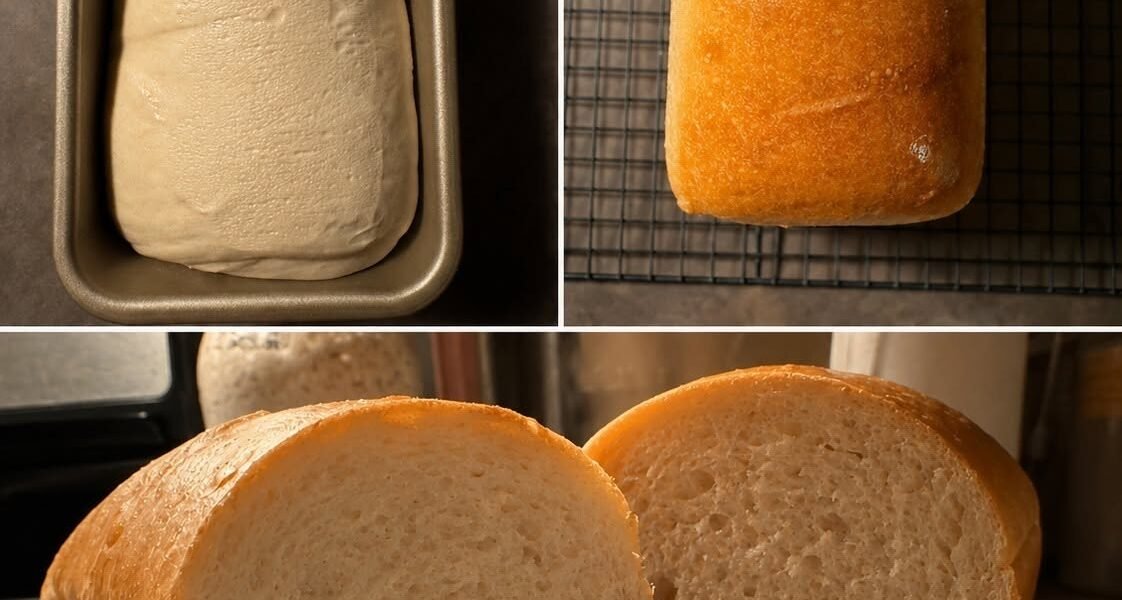
Soft sourdough sandwich bread combines the rich flavor of natural fermentation with a light, fluffy crumb that works beautifully for toast, sandwiches, grilled cheese, French toast, and everyday meals. This loaf features a tender interior, thin crust, and excellent keeping quality. The long fermentation develops deep flavor while improving texture and freshness.
Yield
- 2 standard sandwich loaves
- About 24 slices
Preparation Time
- Starter preparation: 4–8 hours
- Mixing: 25 minutes
- First fermentation: 4–6 hours
- Cold fermentation: 8–16 hours (optional but recommended)
- Final proof: 2–4 hours
- Baking: 40–50 minutes
Ingredients
Active Sourdough Starter
- 200 grams active sourdough starter
- Fed and bubbly
- At peak activity
Dough
- 800 grams bread flour
- 200 grams all-purpose flour
- 700 grams lukewarm water
- 60 grams unsalted butter, softened
- 40 grams honey
- 25 grams sugar
- 18 grams fine sea salt
- 30 grams whole milk
- 20 grams olive oil
Optional Additions
- 20 grams dry milk powder
- 15 grams melted butter for brushing
- Sesame seeds
- Oats
- Poppy seeds
- Flaxseed
- Sunflower seeds
Equipment
- Large mixing bowl
- Dough scraper
- Kitchen scale
- Two loaf pans
- Bench scraper
- Plastic wrap
- Tea towel
- Cooling rack
- Bread knife
Preparing the Starter
Feed the sourdough starter using equal parts flour and water. Allow the starter to rise until doubled or tripled in volume. The surface should appear bubbly and airy with a pleasant aroma that smells slightly sweet and mildly tangy.
A healthy starter produces better oven spring and softer bread.
Mixing the Dough
Combine the water, milk, honey, sugar, and active starter in a large bowl. Stir until evenly blended.
Add the bread flour and all-purpose flour. Mix until every bit of flour becomes hydrated.
Allow the dough to rest for 30 to 45 minutes. This resting period hydrates the flour and strengthens gluten naturally.
After resting, add the salt, softened butter, and olive oil.
Continue mixing until a smooth dough forms.
Kneading
Transfer the dough onto a lightly damp work surface.
Knead for 10 to 15 minutes until smooth and elastic.
The dough should stretch into a thin translucent sheet without tearing easily.
Another option involves using a stand mixer on medium speed for 8 to 10 minutes.
Bulk Fermentation
Place the dough into a lightly greased bowl.
Cover with a damp towel.
Ferment at room temperature.
Perform four sets of stretch-and-folds.
Space each fold 30 minutes apart.
Each fold strengthens the dough while trapping gases produced during fermentation.
Continue fermenting until the dough increases roughly 50 to 75 percent in size.
Cold Fermentation
Cover the bowl tightly.
Transfer the dough to the refrigerator.
Allow slow fermentation overnight.
Cold fermentation enhances flavor, strengthens gluten, and makes shaping easier.
Although optional, this stage greatly improves overall texture.
Dividing
Remove the dough from refrigeration.
Allow the dough to warm slightly.
Transfer onto a lightly floured surface.
Divide evenly into two portions.
Shape each portion into a loose round.
Rest for 20 minutes.
Final Shaping
Flatten each dough ball gently into a rectangle.
Fold the sides inward.
Roll tightly from top to bottom.
Pinch every seam securely.
Place each shaped loaf into a lightly greased loaf pan.
Final Proof
Cover each pan loosely.
Allow the dough to proof until nearly doubled.
The dough should slowly spring back after a gentle finger press.
Avoid excessive proofing because overproofed dough may collapse during baking.
Baking
Preheat the oven to 190°C.
Brush the tops lightly with milk.
Bake for 20 minutes.
Rotate the pans.
Continue baking another 20 to 25 minutes.
The tops should become golden brown.
The internal temperature should reach approximately 95°C.
Remove from the pans immediately.
Brush with melted butter for an extra soft crust.
Cool completely before slicing.
Texture
A properly baked loaf should feature:
- Thin golden crust
- Soft fluffy crumb
- Even air pockets
- Moist texture
- Mild sourdough flavor
- Flexible slices
- Excellent sandwich structure
Storage
Store inside a bread bag or airtight container.
Freshness lasts approximately:
- Room temperature: 4 to 5 days
- Refrigerator: up to 1 week
- Freezer: up to 3 months
Slice before freezing for convenient use.
Serving Ideas
This bread pairs wonderfully with:
- Butter and jam
- Peanut butter
- Honey
- Egg sandwiches
- Chicken sandwiches
- Tuna salad
- Grilled cheese
- Turkey sandwiches
- Avocado toast
- Garlic butter
- Cinnamon sugar toast
- French toast
- Bread pudding
- Breakfast sandwiches
Helpful Tips
- Use an active starter that has fully peaked.
- Bread flour creates stronger gluten and better loaf height.
- Avoid adding too much flour during kneading.
- Slightly sticky dough produces softer bread.
- Cold fermentation develops richer flavor.
- Shape tightly for tall sandwich loaves.
- Proper proofing creates a lighter crumb.
- Bake until fully browned for the best structure.
- Brush with butter immediately after baking for an extra soft crust.
- Cool completely before slicing to prevent a gummy interior.
Flavor Variations
Create different versions by adding:
- Fresh rosemary
- Roasted garlic
- Cheddar cheese
- Parmesan
- Jalapeños
- Everything bagel seasoning
- Cinnamon and raisins
- Dried cranberries
- Walnuts
- Pecans
- Mixed herbs
- Black pepper
- Caramelized onions
- Olive pieces
- Sun-dried tomatoes
- Pumpkin seeds
- Chia seeds
- Rolled oats
- Flaxseed
- Mixed whole grains
This sourdough sandwich bread delivers a wonderfully soft crumb, a delicate crust, and rich fermented flavor, making it an excellent everyday loaf for sandwiches, toast, breakfast, and family meals.