 James
James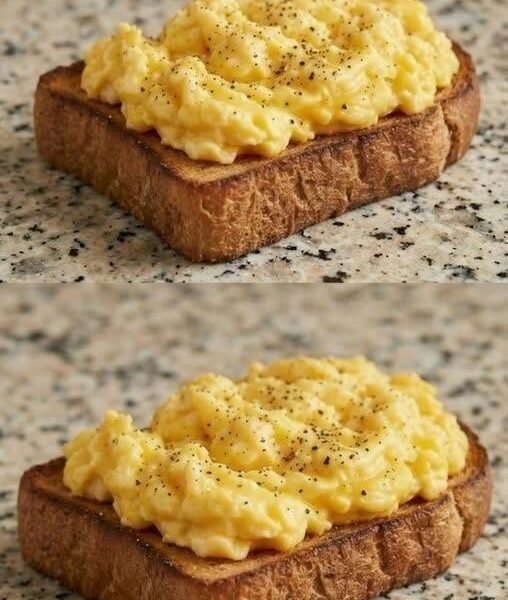
Soft & Creamy Scrambled Eggs (Home-Style Method)
Scrambled eggs are one of the quickest meals to prepare, yet they can easily turn out dry if they are cooked without care. The ingredients are simple and the cooking time is short, but the technique makes all the difference. Instead of rushing the process, cooking the eggs gently over moderate heat creates soft, creamy folds that stay moist from the first bite to the last.
This home-style method focuses on keeping the eggs tender rather than fully drying them out in the pan. The eggs continue cooking for a few moments after they are removed from the heat, so taking them off slightly early helps achieve a creamy texture instead of a firm one.
Because the ingredient list is so small, every step matters. A little patience while stirring and folding the eggs creates a much better result than constant stirring over high heat. The finished eggs are rich, light, and perfect for serving over warm buttered toast or alongside a larger breakfast.
Why This Method Works
Many people think scrambled eggs are simply cooked until no liquid remains, but that often produces a dry texture. Cooking them slowly allows small, soft curds to form naturally.
Instead of breaking the eggs into tiny pieces, this method encourages gentle folds. These folds trap moisture, giving the eggs a creamy consistency while still being fully cooked.
The eggs should never become brown or crispy around the edges. Browning changes both the flavour and texture, making them firmer than intended. Gentle heat keeps the eggs soft and evenly cooked from start to finish.
Ingredients Matter More Than Quantity
There are only a few ingredients in this recipe, so each one has an important role.
Eggs
Eggs are naturally the main ingredient. Fresh eggs usually produce the best flavour and a brighter colour. Four eggs make enough for two generous servings, though the recipe can easily be doubled when cooking for more people.
Milk
A small amount of milk helps produce a softer texture. Only a little is needed because adding too much liquid can make the eggs watery instead of creamy. The milk is optional, but it adds a gentle richness that many people enjoy.
Butter
Butter gives the eggs a rich flavour while also preventing them from sticking to the pan. As it melts, it coats the surface of the skillet and allows the eggs to cook gently without becoming dry.
If preferred, margarine or a small amount of cooking oil can be used instead, although butter provides the best flavour.
Salt and Black Pepper
Seasoning is simple. Salt enhances the natural flavour of the eggs, while freshly ground black pepper adds mild warmth without overpowering the dish.
Mixing the seasoning into the eggs before cooking helps distribute the flavour evenly throughout every bite.
Choosing the Right Pan
The pan plays a bigger role than many people realize.
A non-stick skillet makes cooking much easier because eggs naturally cling to rough surfaces. A well-seasoned skillet also works well if it has a smooth cooking surface.
Using a pan that is too large spreads the eggs into a thin layer, causing them to cook too quickly. A medium-sized skillet allows the eggs to stay together while forming soft folds.
Preparing the Eggs
Before the pan is heated, prepare the egg mixture completely.
Crack the eggs into a bowl and add the milk, salt, and black pepper.
Using a whisk or fork, beat everything together until the yolks and whites are completely combined. The mixture should have one even colour with no visible streaks.
There is no need to whip excessive air into the eggs. The goal is simply to create a smooth mixture that cooks evenly.
Once mixed, the eggs are ready for the pan.
Heating the Pan Properly
Place the skillet over medium heat.
Add the butter and allow it to melt slowly until it coats the bottom of the pan.
The butter should melt completely but should not brown. If it begins to sizzle aggressively or change colour, the pan is too hot.
Keeping the heat moderate gives much better control during cooking.
Cooking the Eggs
Pour the egg mixture into the centre of the pan.
Allow it to sit undisturbed for about five seconds so the bottom begins to set.
Using a silicone or wooden spatula, gently push the cooked egg from the edges toward the centre of the pan.
As the cooked egg moves inward, the uncooked mixture flows into the empty spaces.
Continue making long, slow strokes around the pan instead of stirring rapidly.
After roughly thirty seconds, larger soft curds begin forming.
At this stage, change from pushing to gently folding the eggs over themselves.
Each fold builds soft layers without breaking them apart.
Avoid pressing the eggs against the pan because this squeezes out moisture.
The eggs should remain loose throughout the cooking processKnowing When to Stop Cooking
One of the biggest mistakes is waiting until the eggs look completely finished before removing them from the heat.
The eggs continue cooking from their own retained heat for several seconds after leaving the pan.
Remove the skillet from the heat while the eggs still appear slightly glossy and just a little underdone.
Give everything one final gentle fold.
The remaining heat finishes the cooking naturally without drying the eggs.
The Ideal Texture
Perfect scrambled eggs should feel soft, creamy, and light.
They should hold together in gentle folds rather than breaking into dry crumbs.
The surface should remain slightly glossy, showing that enough moisture has been retained.
There should be no browned spots or crispy edges.
The eggs should be moist enough to spread easily over toast without becoming runny.
Common Mistakes to Avoid
Cooking Over High Heat
High temperatures cook the eggs too quickly, causing moisture to escape before soft curds can develop.
Stirring Too Fast
Constant rapid stirring breaks the eggs into tiny pieces instead of allowing larger folds to form.
Overcooking
Even an extra thirty seconds can change creamy eggs into dry ones.
Removing the eggs slightly early gives much better results.
Too Much Milk
Adding excess milk makes the eggs watery rather than creamy.
A small amount is all that is needed.
Using a Cold Serving Plate
Very hot eggs cool quickly on a cold plate.
Serving them immediately on warm toast helps maintain their temperature and texture.
Serving Suggestions
Soft scrambled eggs are best enjoyed immediately after cooking.
Serve them generously over freshly toasted bread spread with butter while the toast is still warm.
The crisp texture of the toast contrasts perfectly with the creamy eggs.
These eggs also pair well with grilled tomatoes, sautéed mushrooms, roasted potatoes, fresh fruit, or breakfast sausages if serving a larger meal.
They can even be tucked inside sandwiches, breakfast wraps, or warm bread rolls for an easy breakfast.
Storage
Scrambled eggs are always best when freshly cooked.
If leftovers remain, allow them to cool before storing them in an airtight container in the refrigerator for up to one day.
Reheat gently over low heat or in short microwave intervals to prevent the eggs from becoming rubbery.
Freshly cooked eggs will always provide the softest texture.
Helpful Tips for Success
- Use fresh eggs whenever possible.
- Keep the heat at medium or medium-low.
- Stir gently instead of rapidly.
- Fold the eggs instead of scrambling aggressively.
- Remove the eggs while they still look slightly glossy.
- Serve immediately for the best flavour and texture.
- Butter gives the richest flavour, but margarine or oil can also be used.
- A non-stick skillet makes cleanup much easier.
With only a handful of ingredients and about two minutes of total cooking time, this simple home-style method creates scrambled eggs that are soft, creamy, and full of flavour. Paying attention to the heat, stirring gently, and removing the eggs from the pan at the right moment are the small details that transform an everyday breakfast into something much more enjoyable.