
 James
James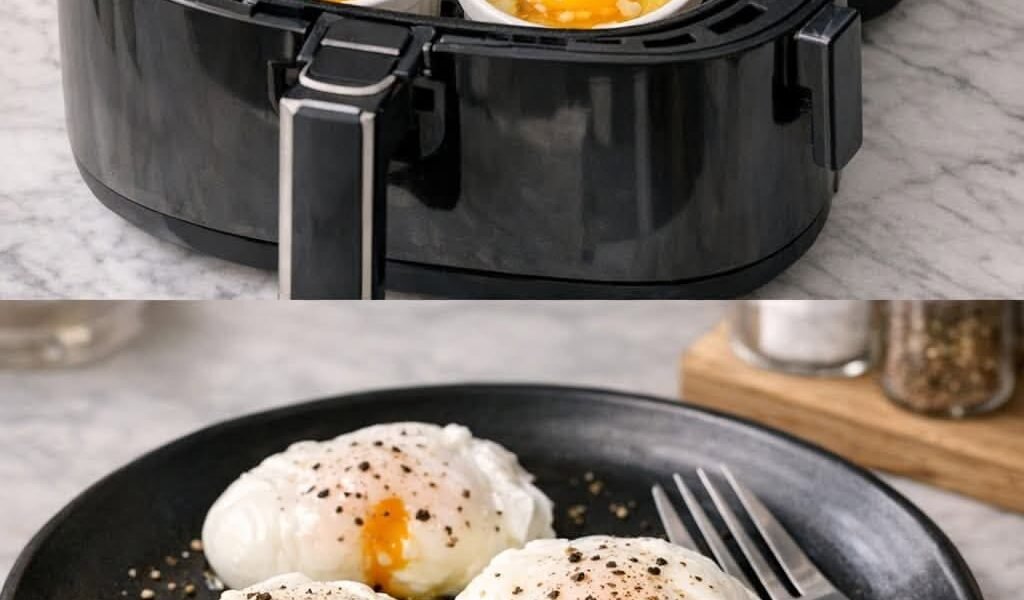
About This Breakfast Favorite
Poached egg offers a soft, tender egg white wrapped around a rich, golden yolk. When prepared properly, the outer layer stays smooth and delicate while the center remains creamy and luscious. A poached egg can serve as a wonderful breakfast, a topping for toast, a partner for roasted vegetables, or a welcome addition to fresh salads and grain bowls.
The method may appear challenging at first, yet a few simple steps can help produce excellent results. Fresh eggs, gently heated water, and careful handling create the best outcome.
Preparation Time
- Prep time: 5 minutes
- Cook time: 3–5 minutes per egg
- Total time: About 10 minutes
Servings
- 4 eggs
- Serves 2–4 people
Ingredients
- 4 large fresh eggs
- 6 cups water
- 1 tablespoon white vinegar
- 1 teaspoon salt (optional)
For Serving
- Toasted bread
- Avocado slices
- Roasted tomatoes
- Fresh herbs
- Black pepper
- Sea salt
Equipment
- Medium saucepan
- Slotted spoon
- Small bowl or ramekin
- Paper towel-lined plate
- Timer
Step 1: Prepare the Water
Place a medium saucepan on the stove and pour in the water. Add the vinegar and gently stir. Heat the water until small bubbles begin to form near the bottom and sides of the pan.
Avoid a rolling boil. Strong bubbling can break apart the egg white and prevent a neat shape from forming.
The perfect water temperature remains just below a full boil, creating a calm environment for the eggs.
Step 2: Crack the Eggs
Crack each egg into a separate small bowl.
This step helps ensure that:
- Shell fragments stay out of the pan.
- Eggs enter the water smoothly.
- Cooking remains more controlled.
- Shape and appearance improve greatly.
Fresh eggs produce the best results because the whites remain compact around the yolk.
Step 3: Create Gentle Movement
Use a spoon to gently move the water in a circular motion.
A soft swirl encourages the egg white to wrap around the yolk naturally. The movement should remain slow and gentle rather than fast and forceful.
This step can be especially helpful when preparing a single poached egg.
Step 4: Add the Egg
Bring the bowl close to the water surface.
Carefully slide one egg into the warm water. Allow the egg to settle naturally.
The white should begin setting around the yolk almost immediately.
Repeat with additional eggs if the pan provides enough room.
Maintain gentle heat throughout the cooking process.
Step 5: Cook Until Perfect
Cook for approximately:
- 3 minutes for a very runny center
- 4 minutes for a soft and creamy center
- 5 minutes for a slightly firmer center
During cooking, the egg white should become fully set while the yolk remains rich and soft.
Avoid stirring or disturbing the water excessively.
Step 6: Remove the Eggs
Lift each egg carefully with a slotted spoon.
Allow excess water to drain away.
Transfer the eggs to a paper towel-lined plate for a few seconds. This removes remaining moisture and helps prevent soggy toast or other serving components.
Step 7: Season and Serve
Sprinkle with:
- Sea salt
- Freshly ground black pepper
- Chopped parsley
- Chopped chives
Serve immediately while warm.
Classic Toast and Poached Egg Plate
Arrange toasted bread on serving plates.
Place one or two poached eggs on top.
Add:
- Avocado
- Tomato slices
- Fresh greens
- A light dusting of black pepper
Cut through the center and allow the creamy yolk to flow across the toast.
Helpful Tips
Choose Fresh Eggs
Fresh eggs hold together better during cooking and create a more attractive shape.
Keep Water Calm
A gentle simmer works far better than rapidly boiling water.
Use Vinegar
A small amount of vinegar helps the egg white set more quickly.
Avoid Overcrowding
Too many eggs at once can lower water temperature and reduce consistency.
Practice Timing
Small timing adjustments can produce different yolk textures.
Common Problems and Solutions
Egg White Spreads Too Much
Possible causes:
- Older eggs
- Water that is too cool
- Lack of vinegar
Egg Becomes Tough
Possible causes:
- Excess cooking time
- Water temperature that is too high
Egg Breaks Apart
Possible causes:
- Dropping from too great a height
- Rapid boiling water
- Rough handling
Serving Suggestions
Poached eggs pair wonderfully with:
- Buttered toast
- Sautéed spinach
- Roasted mushrooms
- Grilled asparagus
- Hash browns
- Smoked salmon
- Fresh salad greens
- Breakfast potatoes
- Roasted sweet potatoes
- Warm grain bowls
Storage
Poached eggs taste best when served immediately.
For advance preparation:
- Cook the eggs.
- Transfer to a bowl of cold water.
- Store in the refrigerator for up to 24 hours.
- Reheat for about 30–60 seconds in warm water before serving.
Final Result
A properly prepared poached egg features a tender, silky white surrounding a rich golden yolk. Every cut releases a smooth, creamy center that adds flavor and texture to toast, vegetables, salads, and countless breakfast dishes. With fresh eggs, gentle heat, and careful timing, this simple recipe can produce restaurant-quality results right at home.