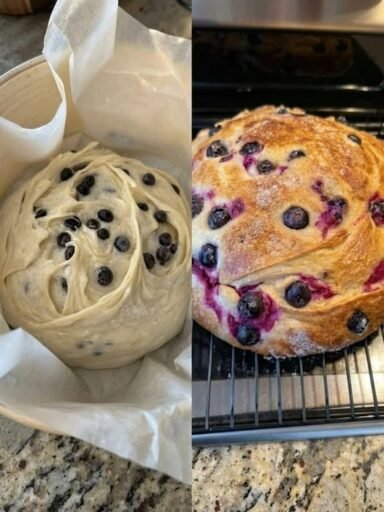
 James
James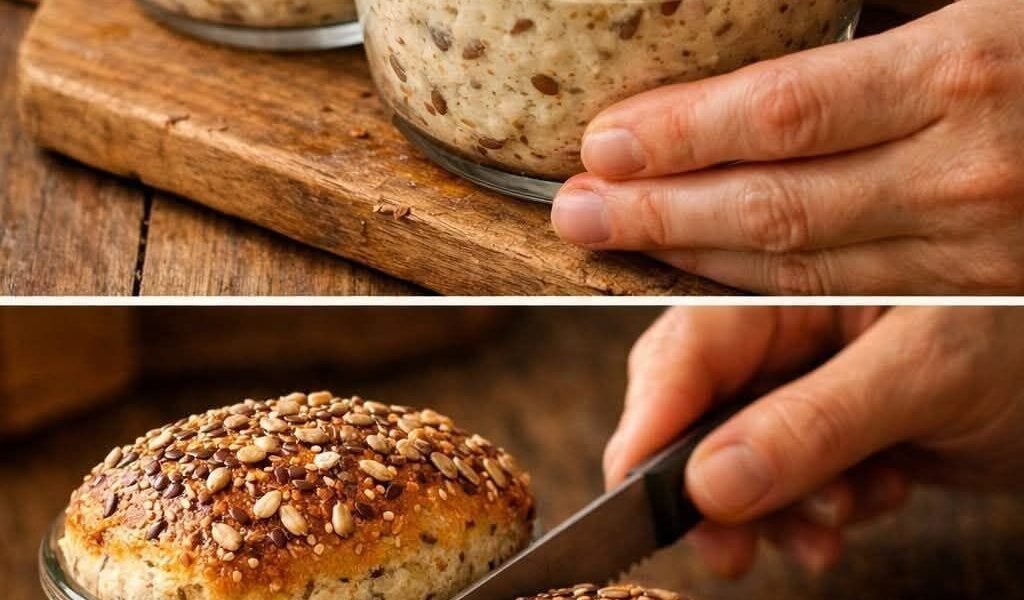
This rustic 3-ingredient bread is one of the simplest homemade breads that can be made with basic pantry staples. Despite the short ingredient list, the finished loaf develops a beautifully crisp crust, a chewy interior, and a rich flavor that tastes as though it came from an artisan bakery. The long resting period allows the dough to develop structure and flavor naturally, creating a loaf with an airy crumb and an appealing rustic appearance.
Perfect for serving alongside soups, stews, salads, pasta dishes, or simply enjoying with butter, this bread requires very little hands-on work. The dough is mixed in minutes and then left to rise slowly, allowing time to do most of the work.
Why This Bread Works
The magic of this bread comes from time rather than intensive kneading. During the long fermentation period, the flour absorbs moisture completely, gluten develops naturally, and yeast creates pockets of air throughout the dough. The result is a loaf with a bakery-style texture and flavor using only a handful of ingredients.
The bread develops a crackling golden crust while maintaining a soft and chewy interior. The simplicity of the recipe makes it ideal for beginners while still producing impressive results for experienced bakers.
Ingredients
- 3 cups all-purpose flour
- 1½ teaspoons salt
- ½ teaspoon instant yeast
- 1½ cups warm water
Equipment
- Large mixing bowl
- Wooden spoon or sturdy spatula
- Plastic wrap or clean kitchen towel
- Parchment paper
- Dutch oven with lid or heavy oven-safe pot
- Cooling rack
Preparing the Dough
Place the flour into a large mixing bowl. Add the salt and instant yeast. Stir thoroughly so the dry ingredients are evenly distributed.
Pour the warm water into the bowl. Mix using a wooden spoon until a shaggy dough forms. Continue stirring until no dry flour remains. The dough will appear sticky and somewhat rough. This texture is exactly what is desired.
Cover the bowl tightly with plastic wrap or a clean kitchen towel.
Allow the dough to rest at room temperature for 12 to 18 hours. During this time the dough will expand significantly and become filled with bubbles. The surface may appear loose and slightly wet.
Long Fermentation Process
As the dough rests, yeast slowly consumes sugars within the flour. This gradual fermentation creates flavor compounds that give the bread its artisan taste.
The extended resting period also strengthens the dough structure naturally. Instead of spending time kneading, patience allows gluten strands to develop on their own.
By the end of fermentation, the dough should be soft, airy, and visibly puffed.
Shaping the Dough
Lightly flour a clean work surface.
Turn the dough onto the prepared surface. The dough may seem loose, but resist adding too much additional flour.
Fold the edges toward the center several times to create a rough round shape.
Place the shaped dough onto a sheet of parchment paper.
Cover loosely with a towel and allow it to rise for another 30 to 60 minutes.
During this final rise, the dough becomes slightly larger and gains additional lightness.
Preheating the Dutch Oven
About 30 minutes before baking, place the Dutch oven and its lid into the oven.
Preheat the oven to 450°F (230°C).
Heating the pot thoroughly is one of the most important steps. The hot surface helps create immediate oven spring, giving the bread a beautiful rise and crisp crust.
Baking the Bread
Carefully remove the hot Dutch oven from the oven.
Using the parchment paper as a sling, lower the dough into the hot pot.
Place the lid on the Dutch oven.
Bake for 30 minutes with the lid on.
After 30 minutes, remove the lid and continue baking for 15 to 20 minutes.
The bread should become deep golden brown with a crusty exterior.
The internal temperature should reach approximately 200°F to 210°F when fully baked.
Cooling
Transfer the baked loaf to a cooling rack.
Allow the bread to cool completely before slicing.
Although it can be tempting to cut into warm bread immediately, cooling allows moisture to redistribute evenly throughout the loaf, resulting in a better texture.
Serving Suggestions
This rustic bread pairs beautifully with:
- Butter and sea salt
- Olive oil and balsamic vinegar
- Creamy soups
- Roasted vegetables
- Cheese boards
- Sandwich fillings
- Scrambled eggs
- Grilled meats
- Pasta dishes
- Homemade jams
Flavor Variations
Even though the original loaf uses only three ingredients, additional flavors can be incorporated.
Garlic Version
Mix roasted garlic into the dough before the first rise. The garlic becomes mellow and sweet during baking.
Herb Bread
Add dried rosemary, thyme, oregano, or Italian seasoning for an aromatic loaf.
Whole Wheat Variation
Replace one cup of all-purpose flour with whole wheat flour for a heartier texture and nutty flavor.
Seeded Loaf
Sprinkle sesame seeds, sunflower seeds, pumpkin seeds, or flax seeds over the top before baking.
Cheese Bread
Fold shredded cheddar, mozzarella, or parmesan into the dough before fermentation.
Pepper Bread
Add freshly cracked black pepper and a touch of grated cheese for a savory artisan loaf.
Storage
Store the cooled bread at room temperature in a paper bag, bread box, or loosely covered container.
The loaf remains fresh for several days.
For longer storage, slice and freeze portions individually. Frozen slices can be thawed at room temperature or toasted directly from frozen.
Helpful Tips
Use fresh yeast for the best rise.
Avoid adding excessive flour during shaping. Sticky dough creates the open crumb that rustic bread is known for.
Allow sufficient fermentation time. The long rise is responsible for much of the bread’s flavor.
Always preheat the baking vessel thoroughly.
Cool the bread fully before slicing to preserve texture.
A Dutch oven creates steam that helps form the signature artisan crust.
If a Dutch oven is unavailable, a heavy covered pot can be used instead.
Final Result
The finished rustic 3-ingredient bread features a beautifully browned crust, a soft and chewy center, and a rich bakery-style flavor. The simplicity of the ingredients combined with the slow fermentation process produces a loaf that feels remarkably sophisticated despite requiring minimal effort. Whether served at breakfast, lunch, dinner, or alongside a special meal, this rustic homemade bread delivers exceptional flavor and texture with only flour, salt, and yeast.
cc