 James
James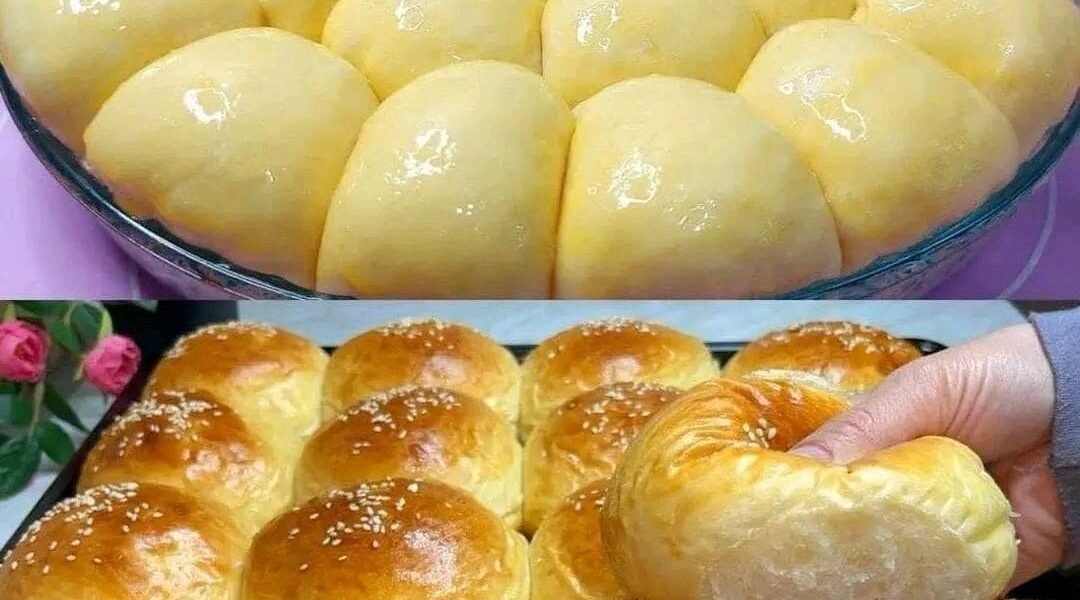
These soft and fluffy milk bread rolls have a tender, cloud-like texture and a delicate buttery flavor. The secret to achieving their famous softness is a simple tangzhong method, a cooked flour and milk mixture that helps the rolls stay moist and fluffy for days. This technique is commonly used in Japanese-style milk bread and creates exceptionally light, pillowy rolls.
Preparation Time
- Dough preparation: 35 minutes
- First rise: 1½ to 2 hours
- Shaping: 20 minutes
- Second rise: 45 to 60 minutes
- Baking: 22 to 25 minutes
- Cooling: 20 minutes
Yield
- 12 large bread rolls
Ingredients
For the Tangzhong
- 3 tablespoons bread flour
- 3 tablespoons whole milk
- 3 tablespoons water
For the Dough
- 4 cups bread flour
- ¼ cup sugar
- 2 teaspoons instant yeast
- 1 teaspoon salt
- 1 cup warm whole milk
- 1 large egg
- 4 tablespoons unsalted butter, softened
- Prepared tangzhong
For Egg Wash
- 1 egg
- 1 tablespoon milk
For Finishing
- 2 tablespoons melted butter
Method
Step 1: Prepare the Tangzhong
Place the flour, milk, and water into a small saucepan.
Cook over low heat while stirring continuously.
As the mixture warms, the starches absorb moisture and form a thick paste.
Continue stirring until a smooth pudding-like consistency forms.
Remove from heat.
Transfer to a bowl and allow to cool completely.
This simple step helps the bread retain moisture and creates an incredibly soft crumb.
Step 2: Mix the Dough
Add bread flour, sugar, yeast, and salt to a large mixing bowl.
Whisk gently to distribute everything evenly.
Add the warm milk, egg, and cooled tangzhong.
Mix until a rough dough forms.
Continue mixing until no dry flour remains.
Allow the dough to rest for 10 minutes.
This resting period allows the flour to hydrate fully.
Step 3: Add Butter
Add softened butter gradually.
Work the butter into the dough.
At first the dough may seem slippery and difficult to handle.
Continue kneading patiently.
After several minutes the dough becomes smooth and elastic.
The surface should appear silky and slightly glossy.
Step 4: Knead Thoroughly
Transfer the dough onto a lightly floured work surface.
Knead steadily.
Stretch and fold repeatedly.
Continue until the dough becomes very smooth.
A properly kneaded dough should stretch into a thin translucent sheet without tearing easily.
This indicates strong gluten development.
Strong gluten helps trap gas produced during fermentation and creates a fluffy structure.
Step 5: First Rise
Shape the dough into a smooth ball.
Place inside a lightly greased bowl.
Cover loosely.
Leave in a warm place.
Allow the dough to rise until doubled in volume.
Depending on room temperature this usually takes between 90 minutes and 2 hours.
During this stage yeast produces gas that creates the airy texture.
Step 6: Divide and Shape
Transfer risen dough onto the work surface.
Press gently to release excess gas.
Divide into 12 equal portions.
Shape each piece into a smooth round ball.
Pull the edges underneath repeatedly to create surface tension.
A tight outer surface encourages an even rise.
Arrange the dough balls inside a greased baking pan.
Leave a little space between each portion.
Step 7: Second Rise
Cover the pan lightly.
Allow the shaped rolls to rise again.
They should become noticeably larger and almost touch each other.
This second rise creates a lighter and softer final texture.
The dough should appear puffy and delicate.
Step 8: Apply Egg Wash
Whisk egg and milk together.
Brush carefully across the tops of the rolls.
The egg wash helps create a beautiful golden finish during baking.
Step 9: Bake
Heat oven to 175°C.
Place the pan on the center rack.
Bake until the tops become evenly golden brown.
The rolls should appear tall and beautifully puffed.
A wonderful buttery aroma will fill the kitchen.
Step 10: Finish
Remove from the oven.
Brush immediately with melted butter.
This keeps the crust soft and adds rich flavor.
Allow the rolls to cool slightly before serving.
Serving Suggestions
These rolls pair wonderfully with:
- Butter and jam
- Honey
- Fruit preserves
- Chicken sandwiches
- Egg salad
- Soups
- Stews
- Roasted meats
- Breakfast spreads
- Holiday dinners
Tips for Extra Soft Rolls
- Use bread flour for better structure.
- Whole milk provides richer flavor.
- Do not add excessive flour during kneading.
- Allow sufficient rising time.
- Use fresh yeast.
- Keep dough slightly soft rather than stiff.
- Brush with butter immediately after baking.
- Store in an airtight container after cooling.
Milk bread rolls are famous for their exceptional softness because the tangzhong method allows the dough to hold more moisture than traditional bread doughs, helping the rolls remain fluffy and fresh for longer.
Storage
Store cooled rolls in an airtight container at room temperature for up to 3 days.
For longer storage, freeze inside sealed freezer bags.
Warm briefly before serving to restore their fresh-from-the-oven softness.
The finished rolls should have a golden top, feather-light interior, delicate sweetness, and a wonderfully soft pull-apart texture that makes them perfect for any meal.