 James
James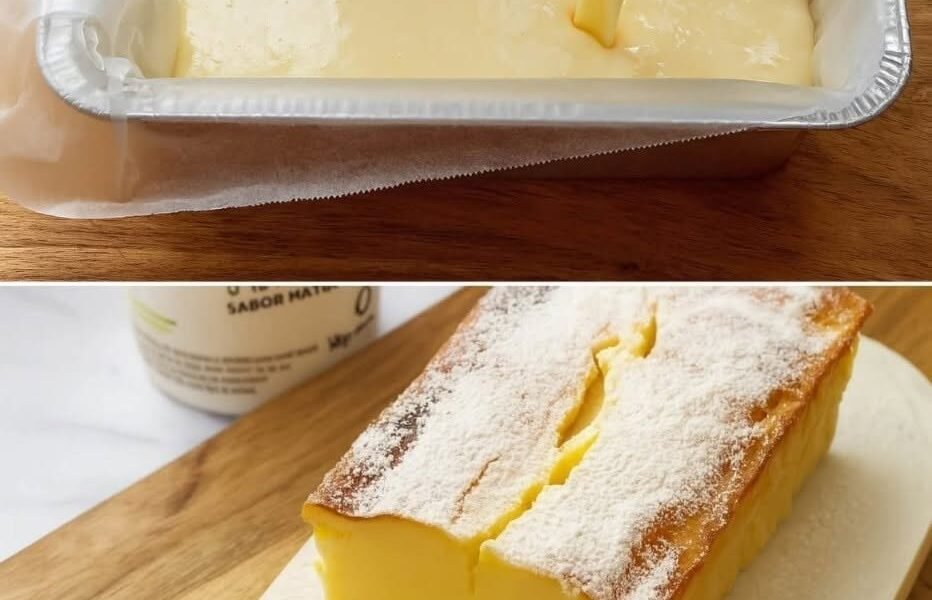
Greek yogurt cake is a soft, moist, and lightly tangy cake that combines the richness of butter with the creamy texture of thick Greek yogurt. The yogurt adds moisture, tenderness, and a subtle flavor that balances the sweetness of the cake. This dessert can be served plain, dusted with powdered sugar, topped with fresh fruit, glazed with lemon icing, or enjoyed alongside tea or coffee. Because of its simple ingredients and reliable results, it has become a favorite homemade cake in many kitchens.
This recipe creates a tender crumb, a golden crust, and a delicious aroma while baking. It is suitable for birthdays, afternoon tea, family gatherings, holiday meals, or simply as an everyday dessert.
Ingredients
Dry Ingredients
- 3 cups all-purpose flour
- 2 teaspoons baking powder
- ½ teaspoon baking soda
- ½ teaspoon salt
Wet Ingredients
- 1 cup unsalted butter, softened
- 1¾ cups granulated sugar
- 4 large eggs
- 1½ cups full-fat Greek yogurt
- 2 teaspoons vanilla extract
- 1 tablespoon lemon zest
- 2 tablespoons fresh lemon juice
Optional Additions
- 1 teaspoon almond extract
- ½ cup blueberries
- ½ cup raspberries
- ½ cup chopped strawberries
- ½ cup chocolate chips
- ½ cup chopped pistachios
- ½ cup sliced almonds
- ½ teaspoon cinnamon
- ¼ teaspoon nutmeg
Optional Lemon Glaze
- 1½ cups powdered sugar
- 3 tablespoons lemon juice
- 1 tablespoon milk
- ½ teaspoon vanilla extract
Equipment
- Mixing bowls
- Electric mixer or whisk
- Rubber spatula
- Measuring cups
- Measuring spoons
- Fine grater
- 9-inch round cake pan
- Parchment paper
- Cooling rack
- Sifter
- Small saucepan (optional)
Preparation
Preheat the oven to 350°F (175°C).
Grease the cake pan thoroughly with butter. Line the bottom with parchment paper and lightly flour the sides. Proper preparation helps the cake release easily after baking.
Allow the butter, eggs, and Greek yogurt to come to room temperature before mixing. Room-temperature ingredients combine more smoothly, creating a lighter batter and more even texture.
Wash and dry any fruit if using. Chop large fruit into small pieces and lightly coat with flour to prevent sinking.
Step 1
Sift together the flour, baking powder, baking soda, and salt into a large bowl.
Mix thoroughly until everything is evenly combined.
Set aside.
Step 2
Place the softened butter into a large mixing bowl.
Beat for about three minutes until creamy.
Gradually add the sugar.
Continue beating until the mixture becomes light, fluffy, and pale in color.
This step incorporates air, helping produce a softer cake.
Step 3
Add the eggs one at a time.
Beat well after each addition.
Scrape down the sides of the bowl frequently.
If the mixture appears slightly curdled, continue mixing because it will become smooth after adding the dry ingredients.
Step 4
Mix in the vanilla extract.
Add the lemon zest.
Pour in the lemon juice.
If using almond extract, stir it in now.
Mix until evenly combined.
Step 5
Add the Greek yogurt.
Beat on low speed until completely incorporated.
Avoid overmixing.
The batter should become creamy, thick, and smooth.
Step 6
Add one-third of the flour mixture.
Mix gently.
Add another portion.
Mix again.
Finish with the remaining flour.
Fold carefully using a rubber spatula until no dry flour remains.
Do not overmix.
Step 7
If using fruit, chocolate chips, or nuts, gently fold them into the batter.
Distribute evenly.
Avoid stirring vigorously.
Step 8
Transfer the batter into the prepared pan.
Smooth the surface with a spatula.
Tap the pan gently on the counter several times to remove large air bubbles.
Step 9
Bake for approximately 50–60 minutes.
The cake is ready when:
- The top is golden.
- The center springs back when lightly touched.
- A toothpick inserted into the middle comes out clean.
If the cake browns too quickly, loosely cover it with aluminum foil during the last part of baking.
Step 10
Remove the cake from the oven.
Allow it to cool in the pan for 15 minutes.
Run a knife around the edges.
Turn the cake onto a cooling rack.
Let it cool completely before glazing or slicing.
Lemon Glaze
Whisk together:
- Powdered sugar
- Lemon juice
- Milk
- Vanilla extract
Continue whisking until perfectly smooth.
If too thick, add a few drops of milk.
If too thin, add more powdered sugar.
Pour slowly over the cooled cake.
Allow the glaze to set for about 20 minutes.
Serving Suggestions
Serve with:
- Fresh berries
- Honey
- Extra Greek yogurt
- Whipped cream
- Vanilla ice cream
- Fresh peaches
- Fresh cherries
- Mango slices
- Lemon slices
- Mint leaves
- Toasted almonds
- Chopped pistachios
It pairs well with:
- Hot tea
- Coffee
- Cappuccino
- Latte
- Espresso
- Hot chocolate
Storage
Store the cake in an airtight container at room temperature for up to 3 days.
Refrigerate for up to 1 week.
Freeze individual slices for up to 3 months.
Wrap slices tightly before freezing.
Thaw overnight in the refrigerator before serving.
Helpful Tips
- Measure flour accurately.
- Use full-fat Greek yogurt for the richest texture.
- Bring all refrigerated ingredients to room temperature.
- Avoid overmixing after adding flour.
- Check for doneness using a toothpick.
- Cool completely before glazing.
- Use fresh lemon zest for the best flavor.
- Fold fruit gently to keep it intact.
- Rotate the cake halfway through baking if your oven has uneven heat.
- Always grease and line the pan for easier removal.
Variations
You can customize this cake in many ways:
- Add orange zest instead of lemon.
- Mix in blueberries and lemon zest.
- Add raspberries for a fruity version.
- Stir in chocolate chips.
- Add chopped walnuts or pecans.
- Sprinkle cinnamon into the batter.
- Add shredded coconut.
- Mix in poppy seeds.
- Top with sliced almonds before baking.
- Finish with honey instead of glaze.
- Add fresh peaches during summer.
- Make cupcakes by dividing the batter into muffin tins and reducing the baking time.
- Bake in a loaf pan for a different presentation.
Nutrition (Approximate Per Slice, 12 Servings)
- Calories: 330
- Protein: 7 g
- Carbohydrates: 43 g
- Fat: 15 g
- Saturated Fat: 9 g
- Fiber: 1 g
- Sugar: 25 g
- Sodium: 170 mg
- Calcium: 8% Daily Value
- Iron: 7% Daily Value
This Greek yogurt cake is moist, tender, flavorful, and versatile. It can be enjoyed plain or dressed up with fruit, glaze, nuts, or whipped cream, making it suitable for both casual everyday baking and special occasions.