 James
James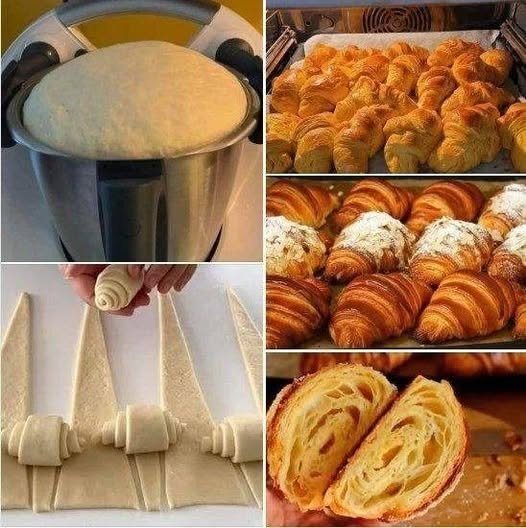
Introduction
Gluten-free puff pastry is a light, flaky, buttery dough made by folding layers of butter between layers of gluten-free dough. During baking, the water in the butter turns into steam, creating hundreds of delicate layers. Although gluten-free dough is more fragile than traditional wheat dough, careful mixing, chilling, and folding can produce beautifully crisp pastry suitable for sweet and savory recipes.
This recipe is designed to create a versatile puff pastry that can be used for turnovers, tarts, pies, sausage rolls, cheese straws, fruit pastries, napoleons, palmiers, and many other baked treats.
Preparation requires patience because repeated chilling allows the butter to remain cold while building the flaky layers.
Preparation Time
Preparation Time: 2 hours
Resting Time: 3–6 hours
Rolling and Folding Time: 1 hour
Baking Time: 20–35 minutes
Total Time: Approximately 6–9 hours
Yield: About 900–1000 grams of puff pastry
Ingredients
Gluten-Free Flour Blend
- 2½ cups gluten-free all-purpose flour
- ½ cup white rice flour
- ½ cup tapioca starch
- ¼ cup potato starch
- 2 tablespoons cornstarch
- 2 teaspoons xanthan gum (omit if already included in your flour blend)
- 1 teaspoon fine salt
- 1 tablespoon granulated sugar
Dough Liquids
- 1 large cold egg
- 1 tablespoon apple cider vinegar
- ¾ cup ice-cold water
- 1 teaspoon lemon juice
Butter Block
- 2 cups unsalted butter, very cold
- 2 tablespoons gluten-free flour
Optional Ingredients
- ½ teaspoon baking powder for slightly lighter pastry
- ½ teaspoon cream of tartar
- 1 teaspoon vanilla extract for sweet pastries
Equipment
- Large mixing bowl
- Measuring cups
- Measuring spoons
- Kitchen scale
- Rolling pin
- Plastic wrap
- Pastry brush
- Sharp knife
- Baking paper
- Baking trays
- Bench scraper
- Ruler (optional)
- Refrigerator
- Freezer
Step 1: Prepare the Flour Mixture
Place all dry ingredients into a large bowl.
Mix thoroughly until every starch and flour is evenly combined.
Proper mixing ensures even texture throughout the pastry.
Step 2: Prepare the Liquid Mixture
In another bowl combine:
- Egg
- Ice water
- Vinegar
- Lemon juice
Whisk until completely mixed.
Keep this mixture cold until needed.
Step 3: Form the Dough
Slowly pour the liquid mixture into the flour.
Mix gently using a fork.
When the dough begins coming together, use your hands.
Do not knead heavily.
Gluten-free dough should only be mixed until combined.
If dry:
Add one teaspoon of ice water at a time.
If sticky:
Dust lightly with gluten-free flour.
The finished dough should feel soft but not wet.
Step 4: Chill the Dough
Shape into a rectangle.
Wrap tightly.
Refrigerate for at least one hour.
Cold dough rolls more easily.
Step 5: Prepare the Butter Block
Place cold butter between two sheets of baking paper.
Pound gently with a rolling pin.
Shape into a square approximately 7 inches by 7 inches.
Dust lightly with gluten-free flour if needed.
Refrigerate for 20–30 minutes.
The butter should remain firm but flexible.
Step 6: Roll the Dough
Lightly flour the work surface.
Roll dough into a rectangle approximately twice the size of the butter block.
Keep edges straight.
Try to maintain even thickness.
Step 7: Enclose the Butter
Place butter in the center.
Fold each side over the butter.
Seal every edge.
No butter should be exposed.
If butter begins softening, refrigerate immediately.
Step 8: First Roll
Turn dough so the folded edge faces you.
Roll into a long rectangle.
Use gentle pressure.
Avoid pressing too hard.
Maintain an even thickness.
Step 9: First Fold
Fold the top third toward the center.
Fold the bottom third over the first fold.
This creates the first letter fold.
Wrap dough.
Chill for 30 minutes.
Step 10: Second Fold
Rotate dough 90 degrees.
Roll again.
Repeat the same folding method.
Wrap.
Refrigerate another 30 minutes.
Step 11: Third Fold
Repeat rolling.
Repeat folding.
Keep edges neat.
Dust away excess flour.
Wrap.
Chill again.
Step 12: Fourth Fold
Roll gently.
Avoid tearing.
Fold once more.
Wrap tightly.
Refrigerate.
Step 13: Fifth Fold
Repeat the entire process.
The dough should now display visible layers.
Handle carefully.
Step 14: Final Rest
Refrigerate at least one hour.
For best results refrigerate overnight.
Long chilling improves flakiness.
Rolling for Baking
Lightly flour the surface.
Roll evenly.
Recommended thickness:
- 3 mm for pastries
- 4 mm for pies
- 5 mm for turnovers
- 6 mm for sausage rolls
Avoid stretching the dough.
Lift frequently while rolling.
Cutting
Use a very sharp knife.
Cut straight down.
Never drag the blade.
Dragging seals the layers.
Clean cuts help the pastry rise.
Egg Wash
Mix:
- 1 egg
- 1 tablespoon milk
Brush lightly.
Avoid brushing cut edges.
Egg wash on edges may prevent rising.
Baking Temperature
Preheat oven to:
220°C (425°F)
Bake until golden.
Reduce to:
200°C (400°F)
Continue baking if necessary.
Typical baking time:
20–35 minutes.
Signs of Perfect Puff Pastry
Golden brown color
Distinct flaky layers
Crisp exterior
Tender interior
Even rise
Buttery aroma
Dry bottom
Light texture
Sweet Filling Ideas
Apple cinnamon
Cherry
Blueberry
Strawberry
Raspberry
Peach
Apricot
Chocolate
Nutella
Custard
Cream cheese
Lemon curd
Pumpkin
Sweet potato
Pear
Mixed berries
Coconut cream
Banana
Almond cream
Pecan filling
Savory Filling Ideas
Spinach
Feta
Chicken
Turkey
Beef
Mushrooms
Broccoli
Cheddar
Ham
Potatoes
Caramelized onions
Goat cheese
Salmon
Tuna
Egg and cheese
Roasted vegetables
Pesto
Mozzarella
Tomato
Herb cream cheese
Storage
Refrigerator:
Store wrapped for up to 3 days.
Freezer:
Wrap tightly.
Freeze for up to 3 months.
Thaw overnight in the refrigerator.
Helpful Tips
- Always keep ingredients cold.
- Chill the dough whenever it becomes soft.
- Use minimal extra flour while rolling.
- Roll evenly to create uniform layers.
- Handle the dough gently to avoid tearing.
- Keep the butter enclosed at all times.
- Bake in a fully preheated oven.
- Avoid opening the oven door during the first 15 minutes of baking.
- Cool baked pastries on a wire rack to keep them crisp.
Common Mistakes to Avoid
- Using warm butter.
- Skipping chilling times.
- Overworking the dough.
- Rolling too aggressively.
- Leaving butter exposed.
- Adding too much flour during rolling.
- Cutting with a dull knife.
- Baking at a low temperature.
- Underbaking the pastry.
- Overfilling pastries, which can cause leaks.
Ways to Use This Puff Pastry
- Fruit turnovers
- Apple pockets
- Danish pastries
- Cheese twists
- Cheese straws
- Sausage rolls
- Pot pies
- Mini quiches
- Tarts
- Mille-feuille
- Napoleon pastries
- Palmier cookies
- Cream horns
- Breakfast pastries
- Chocolate-filled pastries
- Savory pinwheels
- Pizza bites
- Puff pastry pizzas
- Vegetable parcels
- Dessert cups
With careful chilling and gentle handling, this gluten-free puff pastry develops crisp, buttery layers that can be used in a wide variety of sweet and savory recipes. Patience during the folding and resting stages is the key to achieving a light, flaky result.