 James
James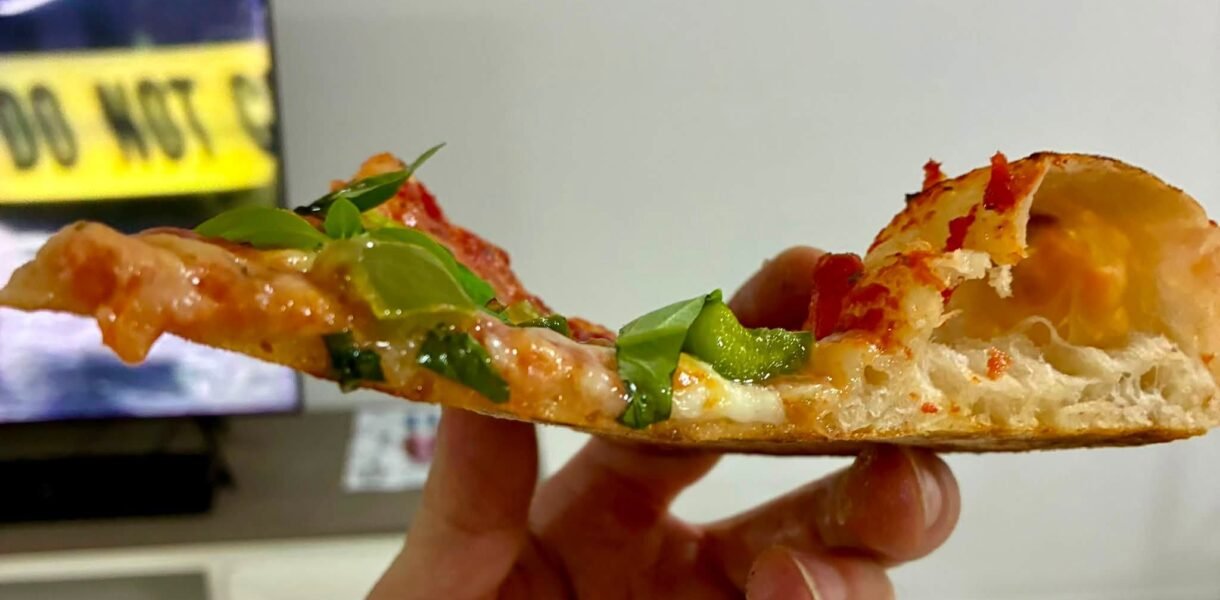
Introduction
Sourdough pizza combines the rich flavor of naturally fermented dough with a crisp, airy crust that rivals the best artisan pizzerias. Natural fermentation develops complex flavors, creates a light texture, and produces a crust with a beautiful golden color and delicate chew. Slow fermentation allows enzymes and beneficial bacteria to transform simple ingredients into a dough that bakes into a flavorful pizza with excellent structure and aroma.
This recipe focuses on creating a classic sourdough pizza from scratch using an active sourdough starter. Every stage, from mixing and fermentation to shaping and baking, contributes to the final result. Patience rewards every baker with a crust that features crisp edges, tender interior, and wonderful flavor.
Preparation Time
- Preparation: 45 minutes
- Resting and fermentation: 18–30 hours
- Final proof: 2–4 hours
- Baking: 8–12 minutes per pizza
- Total time: About 24 hours
Yield: 4 medium pizzas
Ingredients
For the Dough
- 500 grams bread flour
- 100 grams active sourdough starter
- 350 grams lukewarm water
- 10 grams fine sea salt
- 15 grams extra virgin olive oil
For the Pizza Sauce
- 1 can crushed tomatoes
- 2 tablespoons tomato paste
- 2 cloves garlic, finely minced
- 1 tablespoon olive oil
- 1 teaspoon sea salt
- 1 teaspoon dried oregano
- ½ teaspoon dried basil
- ½ teaspoon black pepper
- ½ teaspoon sugar
- Pinch of chili flakes
Cheese
- 300 grams fresh mozzarella
- 100 grams shredded mozzarella
- 50 grams grated Parmesan
Suggested Toppings
- Pepperoni slices
- Cooked Italian sausage
- Mushrooms
- Bell peppers
- Red onions
- Black olives
- Cherry tomatoes
- Fresh basil leaves
- Spinach
- Roasted garlic
- Caramelized onions
- Jalapeños
- Sweet corn
Equipment
- Large mixing bowl
- Kitchen scale
- Dough scraper
- Pizza stone or steel
- Pizza peel
- Mixing spoon
- Plastic wrap or lid
- Baking paper
- Cooling rack
Step 1: Prepare the Starter
Feed the sourdough starter several hours before mixing the dough. The starter should become bubbly, active, and nearly double in volume. An active starter produces the strongest fermentation and the best oven spring.
Step 2: Mix the Dough
Combine bread flour and water in a large bowl. Mix until no dry flour remains. Cover and allow the mixture to rest for 30 minutes.
Add the sourdough starter and mix thoroughly until evenly distributed throughout the dough.
Add salt and olive oil. Continue mixing until everything becomes fully incorporated.
The dough should feel soft, slightly sticky, and smooth.
Step 3: Stretch and Fold
Cover the bowl.
Every 30 minutes during the first two hours, perform one set of stretch and folds.
Lift one side of the dough.
Stretch gently.
Fold toward the center.
Rotate the bowl.
Repeat four times until every side has been folded.
Each fold strengthens gluten while maintaining an airy structure.
Step 4: Bulk Fermentation
Cover the bowl tightly.
Allow the dough to ferment at room temperature for 5–7 hours depending on kitchen temperature.
The dough should noticeably expand and develop bubbles throughout.
Surface texture becomes smooth and elastic.
Step 5: Cold Fermentation
Transfer the dough into the refrigerator.
Allow slow fermentation for 12–24 hours.
Long fermentation creates exceptional flavor, better texture, and improved digestibility.
Step 6: Divide the Dough
Remove dough from refrigeration.
Allow 30 minutes of warming.
Divide into four equal portions.
Shape each portion into a smooth round ball.
Place each ball into lightly oiled containers.
Cover.
Allow final proof for 2–4 hours.
The dough should become soft, puffy, and relaxed.
Step 7: Prepare the Sauce
Heat olive oil over medium heat.
Cook garlic until fragrant.
Add crushed tomatoes.
Stir in tomato paste.
Add oregano.
Add basil.
Season with salt.
Add black pepper.
Add sugar.
Sprinkle chili flakes.
Simmer gently for 20 minutes.
Cool completely before spreading over dough.
Step 8: Prepare the Cheese
Drain fresh mozzarella thoroughly.
Slice into thin rounds.
Pat dry using paper towels.
Combine shredded mozzarella and Parmesan in a separate bowl.
Removing excess moisture helps produce a crisp pizza instead of a soggy one.
Step 9: Prepare Toppings
Slice vegetables evenly.
Cook sausage before using.
Drain mushrooms if necessary.
Dry fresh basil gently.
Organize toppings before assembling pizzas.
Proper preparation allows quick assembly and prevents overhandling the dough.
Step 10: Heat the Oven
Place pizza stone or baking steel inside the oven.
Preheat to the highest available temperature, ideally 250–290°C.
Heat for at least 45–60 minutes.
Properly heated baking surfaces create rapid oven spring and crispy crust.
Step 11: Shape the Dough
Dust the work surface with flour.
Transfer one dough ball onto the surface.
Press gently from the center outward.
Leave a thicker outer edge.
Continue stretching until approximately 12 inches across.
Avoid pressing air from the rim.
Hand stretching creates better texture than rolling.
Step 12: Assemble the Pizza
Transfer dough onto a floured pizza peel.
Spread a thin layer of tomato sauce.
Arrange mozzarella slices evenly.
Sprinkle shredded mozzarella.
Add Parmesan.
Place toppings evenly across the surface.
Avoid excessive toppings.
Balanced toppings help maintain crispness.
Step 13: Bake
Slide pizza onto the hot stone.
Bake for 8–12 minutes.
Edges should become deeply golden.
Cheese should bubble.
Bottom should become crisp.
Rotate halfway through baking if necessary.
Step 14: Finish
Remove pizza carefully.
Rest for 2 minutes.
Scatter fresh basil over the top.
Drizzle lightly with olive oil.
Optional additions include grated Parmesan, crushed chili flakes, cracked black pepper, or garlic-infused olive oil.
Serving Suggestions
Serve alongside:
- Caesar salad
- Mixed green salad
- Roasted vegetables
- Tomato soup
- Garlic mushrooms
- Marinated olives
- Grilled vegetables
- Fresh fruit platter
Storage
Cool completely before storing.
Refrigerate slices in an airtight container for up to 4 days.
Freeze individual slices for up to 2 months.
Separate slices with baking paper before freezing.
Reheating
Oven:
Bake at 200°C for 6–8 minutes.
Air fryer:
Heat at 180°C for 3–5 minutes.
Skillet:
Warm over medium heat until crust becomes crisp and cheese melts.
Avoid microwave reheating whenever possible because the crust softens considerably.
Helpful Tips
- Always use a healthy, active sourdough starter.
- High-protein bread flour creates stronger gluten.
- Cold fermentation develops deeper flavor.
- Do not overload pizza with sauce.
- Dry fresh mozzarella before using.
- Fully preheat the pizza stone.
- Stretch dough gently to preserve air bubbles.
- Rotate pizza during baking for even browning.
- Allow pizza to rest briefly before slicing.
- Fresh herbs taste best when added after baking.
- Keep toppings balanced for even cooking.
- Flour the pizza peel generously to prevent sticking.
- Bake one pizza at a time for the best results.
- Practice shaping by hand for a light, airy crust.
- Longer fermentation generally produces more complex flavor and a chewier texture.
This sourdough pizza delivers a beautifully blistered crust, crisp bottom, airy interior, rich tomato flavor, perfectly melted cheese, and endless topping possibilities. The slow fermentation process creates a memorable homemade pizza with bakery-quality taste and texture that becomes even better with practice.